Ready for your 2026 outings on public lands?
We are so fortunate in southwest Washington to have access to hundreds of acres of public lands for our diverse recreational uses and opportunities! So whether you are looking for #NearbyNature close by or an all day adventure into the back country, we have some ideas for you! This is a long post, so please keep reading and book mark this one. It can be your go-to starting place to plan adventures this year with family, friends and community.
Visit our Getting There web page for more information about fees and passes required for your outings, as well as the FEE FREE days at National and Washington State lands.
County Parks & Nature, Legacy Lands & Trails throughout Clark County include greenway trails like Salmon Creek, regional parks including Frenchman’s Bar, Vancouver Lake and Lewisville, Community Parks and Urban Unincorporated Neighborhood Parks. Legacy Lands conservation properties include passing walking / hiking through scenic preserved natural areas, like the new Gordy Jolma Family Nature Area and adjoining Salmon Morgan Creeks Nature Area.
City parks, trails and community centers - Visit each city’s web page for more information: Battle Ground, Camas, Kelso, LaCenter, Longview, Ridgefield, Vancouver, Washougal, & Woodland.
Schools - In southwest Washington, the majority of public school properties are public lands and open for public use after school hours, including playgrounds, sports courts / fields and running tracks. Contact the schools’ administration divisions for more information.
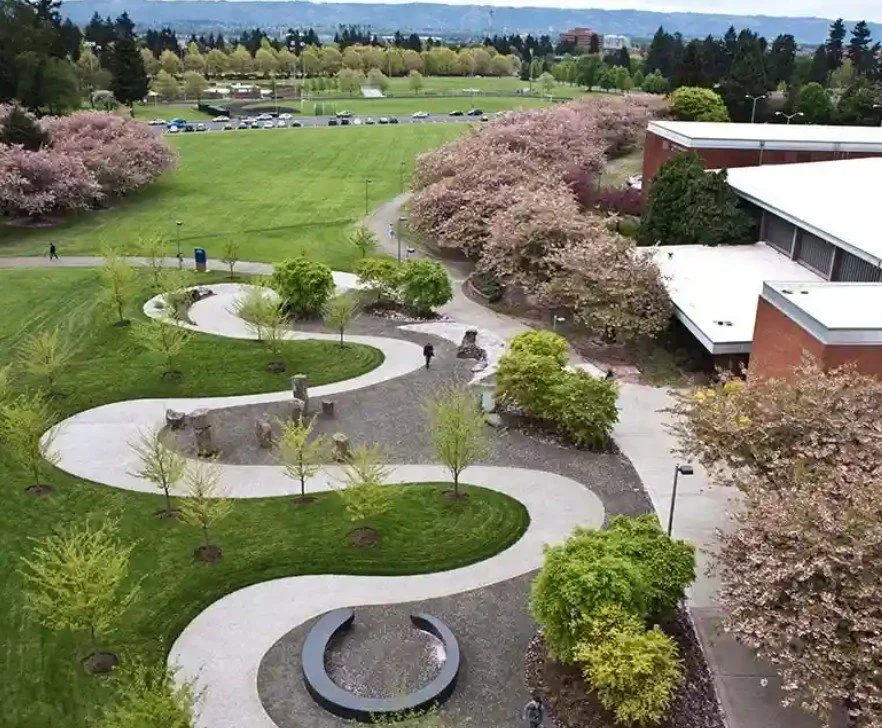
Clark College has two campuses that offer nearby nature visits, whether in between classes or destination visits:
Clark College's beautiful main campus is located on 101 acres in Vancouver's Central Park with flower meadows, cherry tree gardens and walking paths
Columbia Tech Center is located on the east side of Vancouver, near Camas and Washougal includes nature paths and outdoor amphitheaters areas nearby
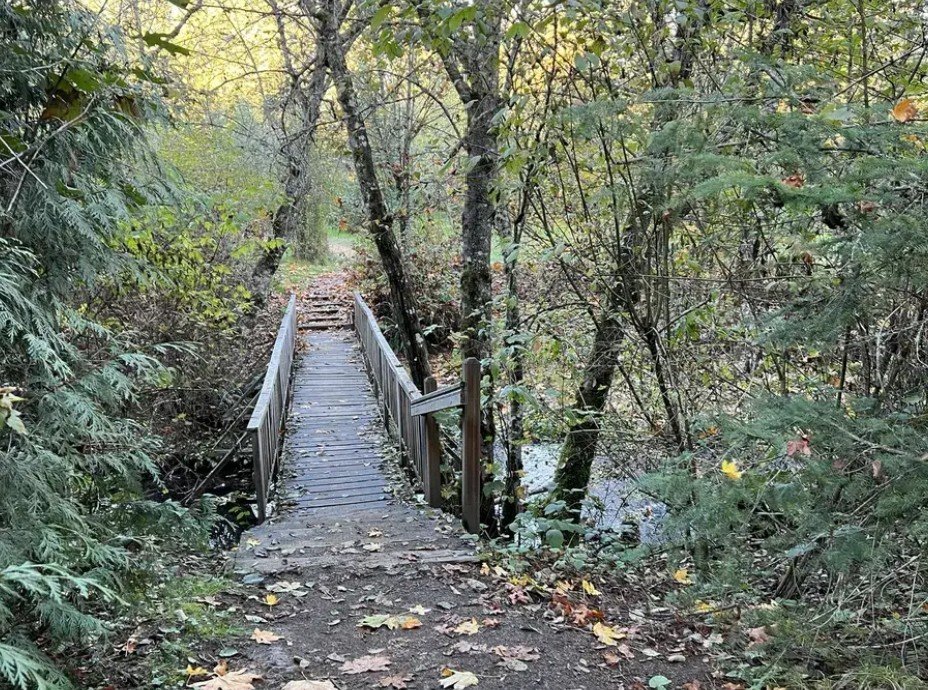
Washington State University - Vancouver Campus - With over 6 miles of trails and pathways (the Cougar Trails) throughout campus, including scenic vistas of Mt. St. Helen’s, these trails are open to the public year round from dawn to dusk. Forested natural surface trails, babbling Mill Creek adventures and gentle hills for winter sledding, this is a destination spot in the heart of Clark County.
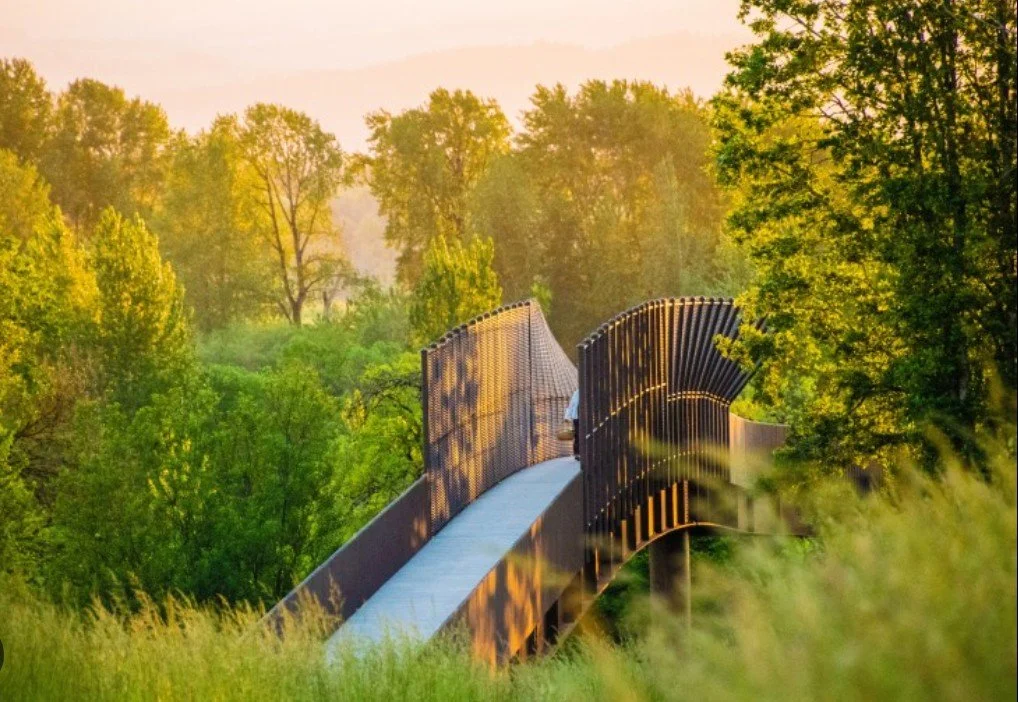
National Wildlife Refuges
Steigerwald & Ridgefield (River S Auto Tour, Carty Unit) are open to the public for trail walking and wildlife viewing (no bikes, jogging/running, etc.)
Planned events and programmed activities through the Friends of Ridgefield NWR, other community partners at the refuges, as well as trained volunteers.
Purchase a day use pass or America the Beautiful pass
National Parks / Monuments / Scenic Area / Forests: Public federal lands in southwest Washington provide a wide range of outdoor adventures:
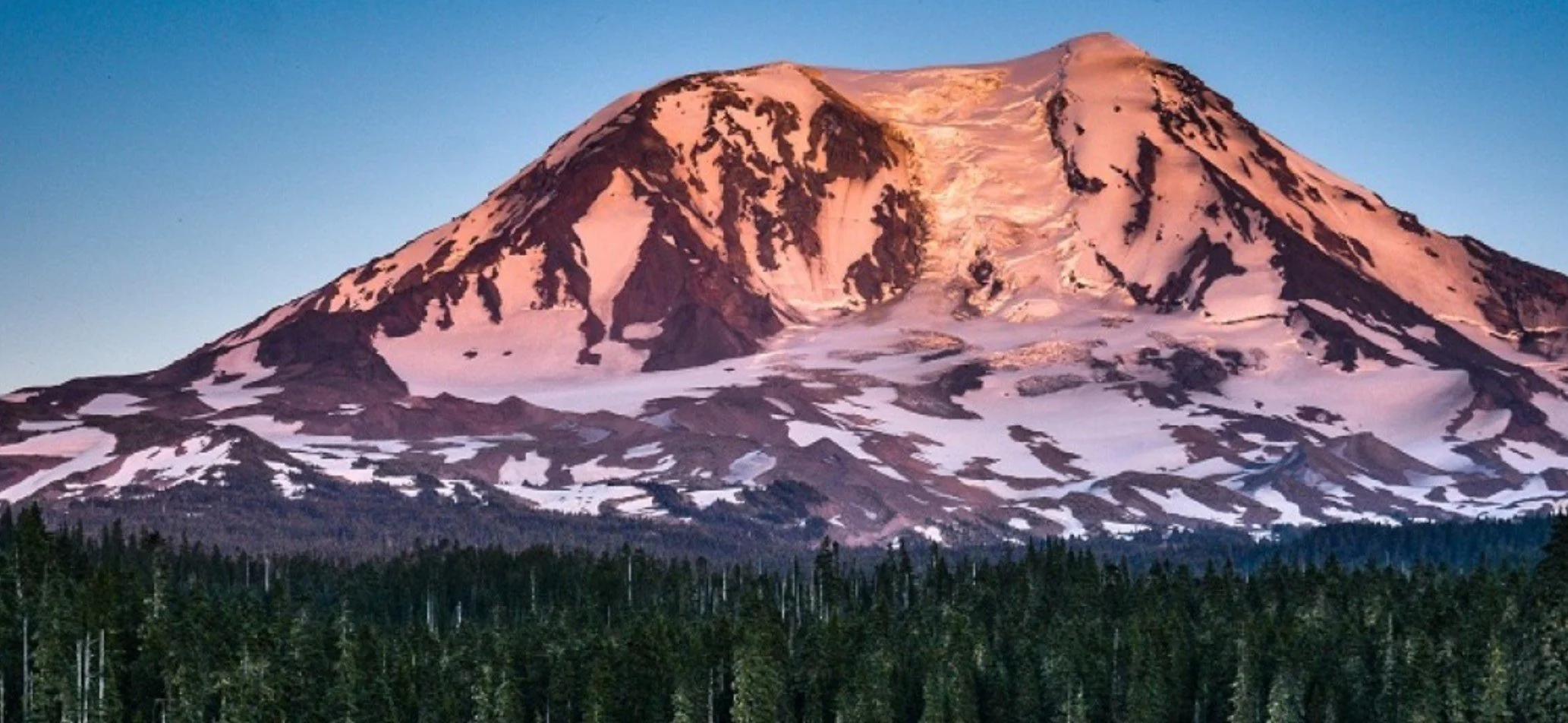
Gifford Pinchot National Forest - Includes amazing sites, including the Mt. St. Helen’s Volcanic Monument, and a wide range of trails, camping and adventures. This area includes Mt. Adams Wilderness, Indian Heaven Wilderness and Trapper Creek Wilderness
Purchase a Northwest Forest Pass to use these areas
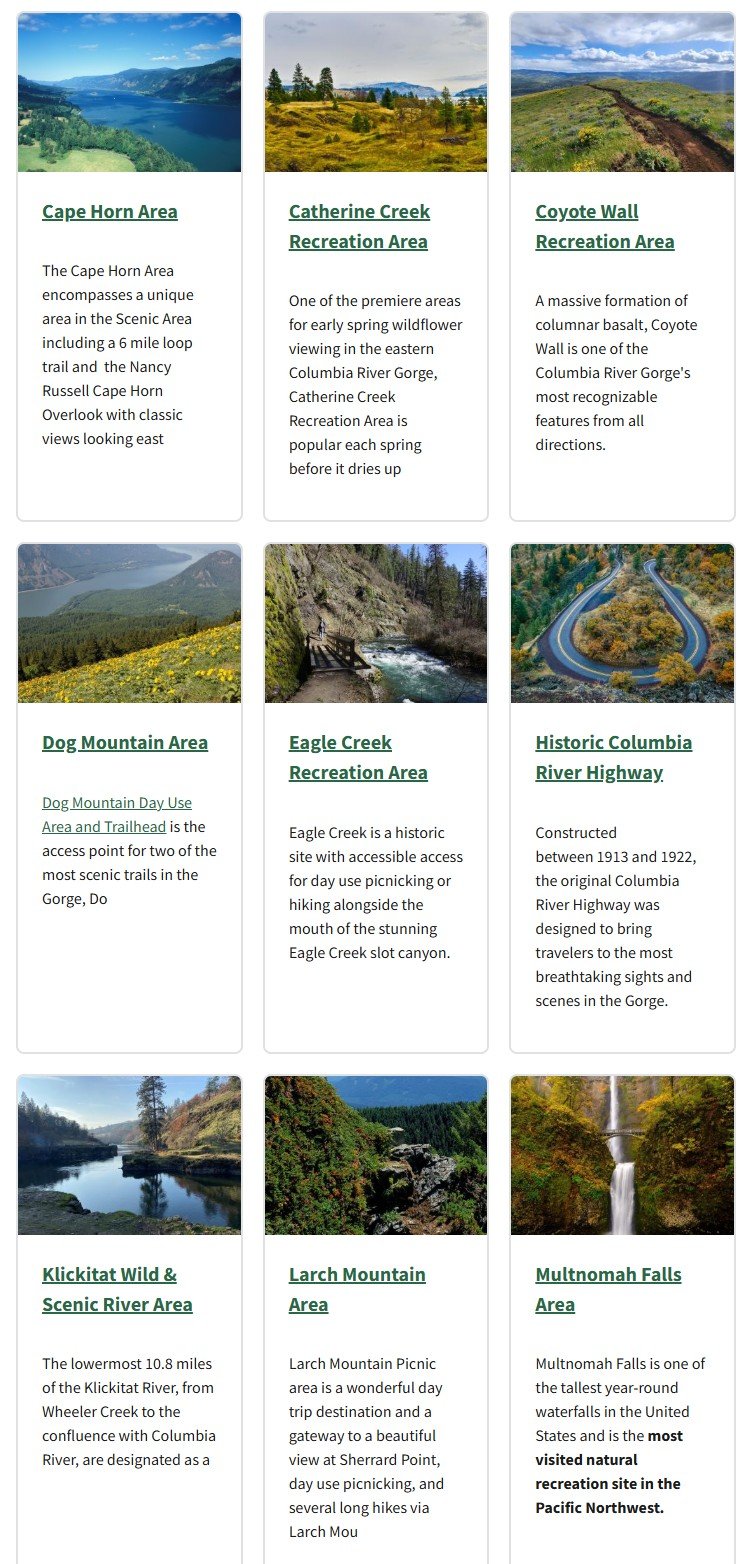
Columbia River Gorge Scenic Area - Follow the path of the Columbia River through one of the most scenic areas in the Pacific Northwest. On the Washington side of the river (north shore), visit the scenic overlook at Cape Horn, Catherine Creek Recreation Area, Coyote Wall Recreation Area, Dog Mountain Area, Klickitat Wild & Scenic River Area and Larch Mountain Area.
Purchase a Northwest Forest Pass to use these areas
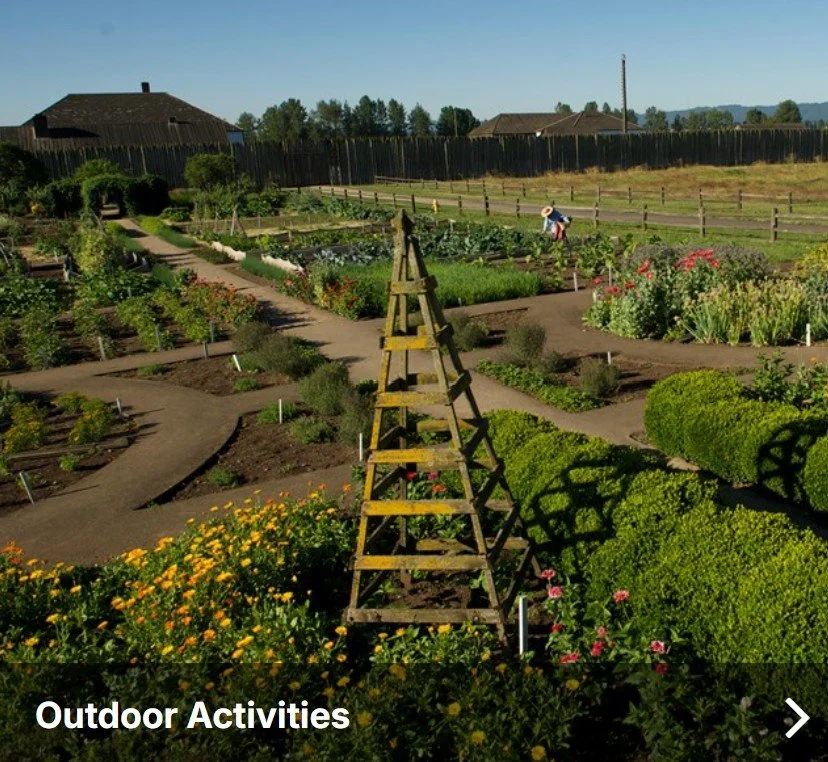
Fort Vancouver Historic Site - Located in downtown Vancouver, this site hosts open visits and planned events during the day, focused on this history of our region on the Columbia River. Visit the gardens in summer, bike the trails all year, bird watch and join the planned events throughout the year including lantern tours in the evenings.
Purchase a day pass or America the Beautiful pass for activities within the Fort walls or visitor center.
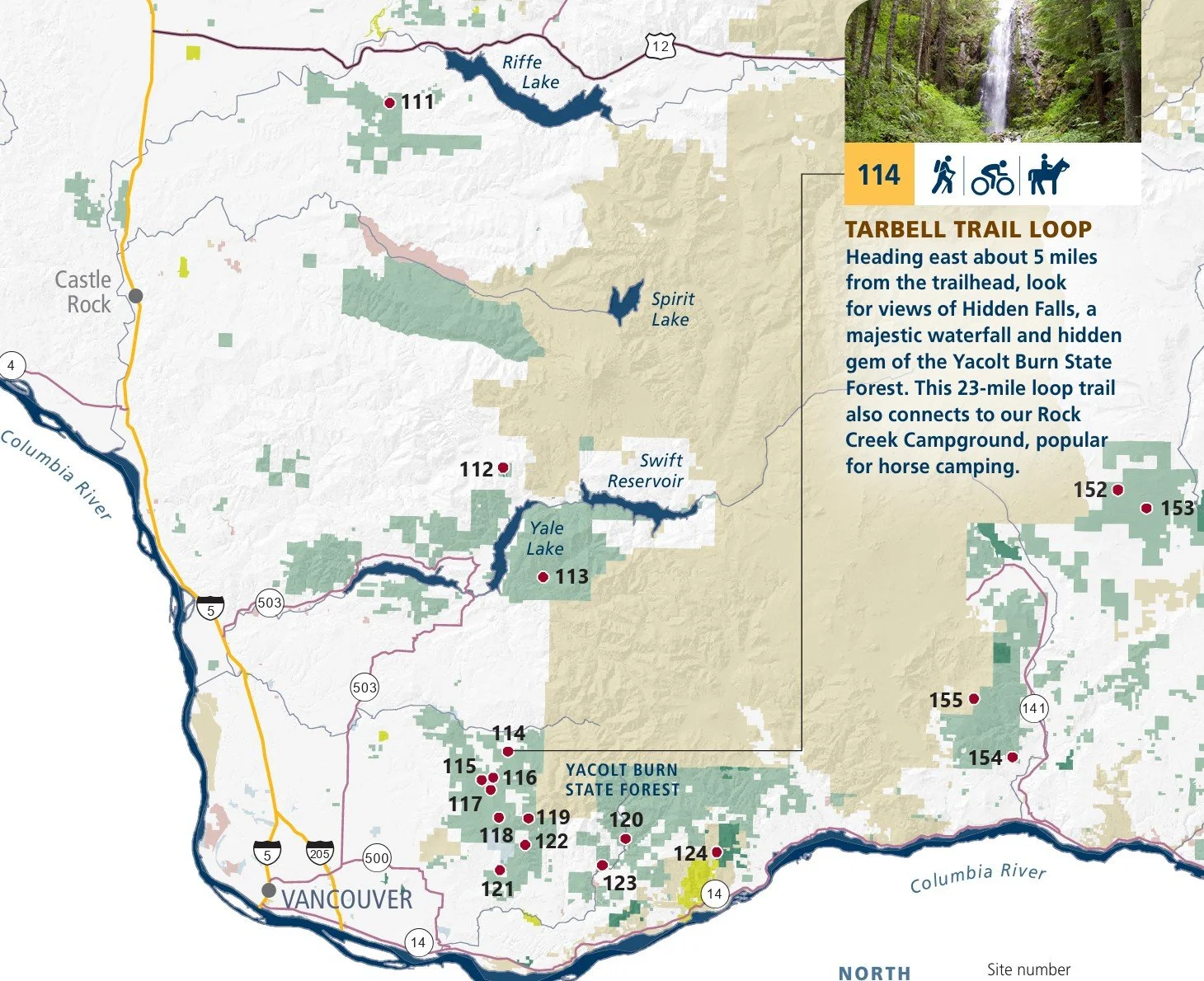
Visit the WA DNR’s Recreation Guide for a list of facilities available at each site (shown to the right) and the wide range of activities (shown below). Examples include the Yacolt Burn recreation area.
Also, use the DNR Go! Interactive Recreation Map as a tool to see images of the sites and detailed information to help you plan.
DNR also manages Natural Area Preserves (Lacamas Prairie NA & Washougal Oaks NA) and Natural Resource Conservation Areas.
These areas require WA’s Discover Pass for parking and access.
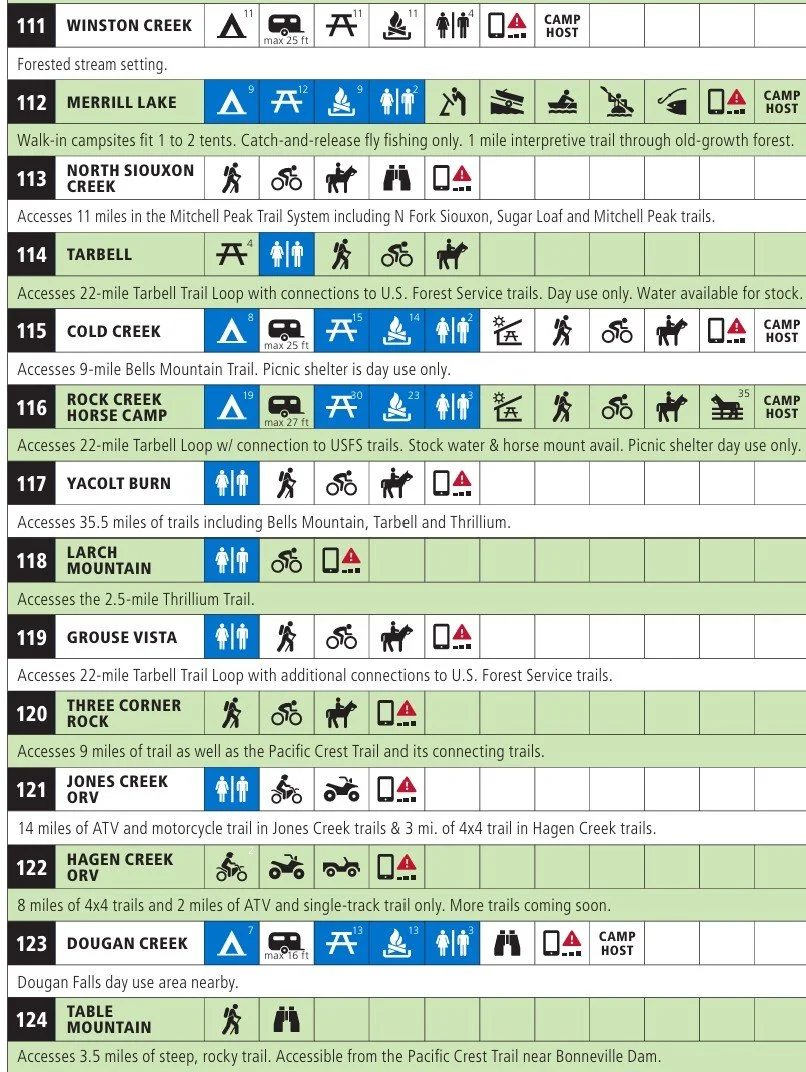
DNR lands for natural resource protection & recreation
Whether you are biking or hiking for a couple of hours, or setting out for a few days, DNR lands have some great options close to home.
Did you know that most of the DNR camp sites are FREE? They are first come, first serve so plan ahead to grab a site close to the trails that you want. Note that some areas are open to motorized vehicles (like trail bikes and ORVs) so if you are looking for a quieter setting, double check the site specifics.
Make sure to always take a map and/or printed directions, as cell phone service is limited or non-existent in some areas.

Activity key for WA DNR Recreation Guide
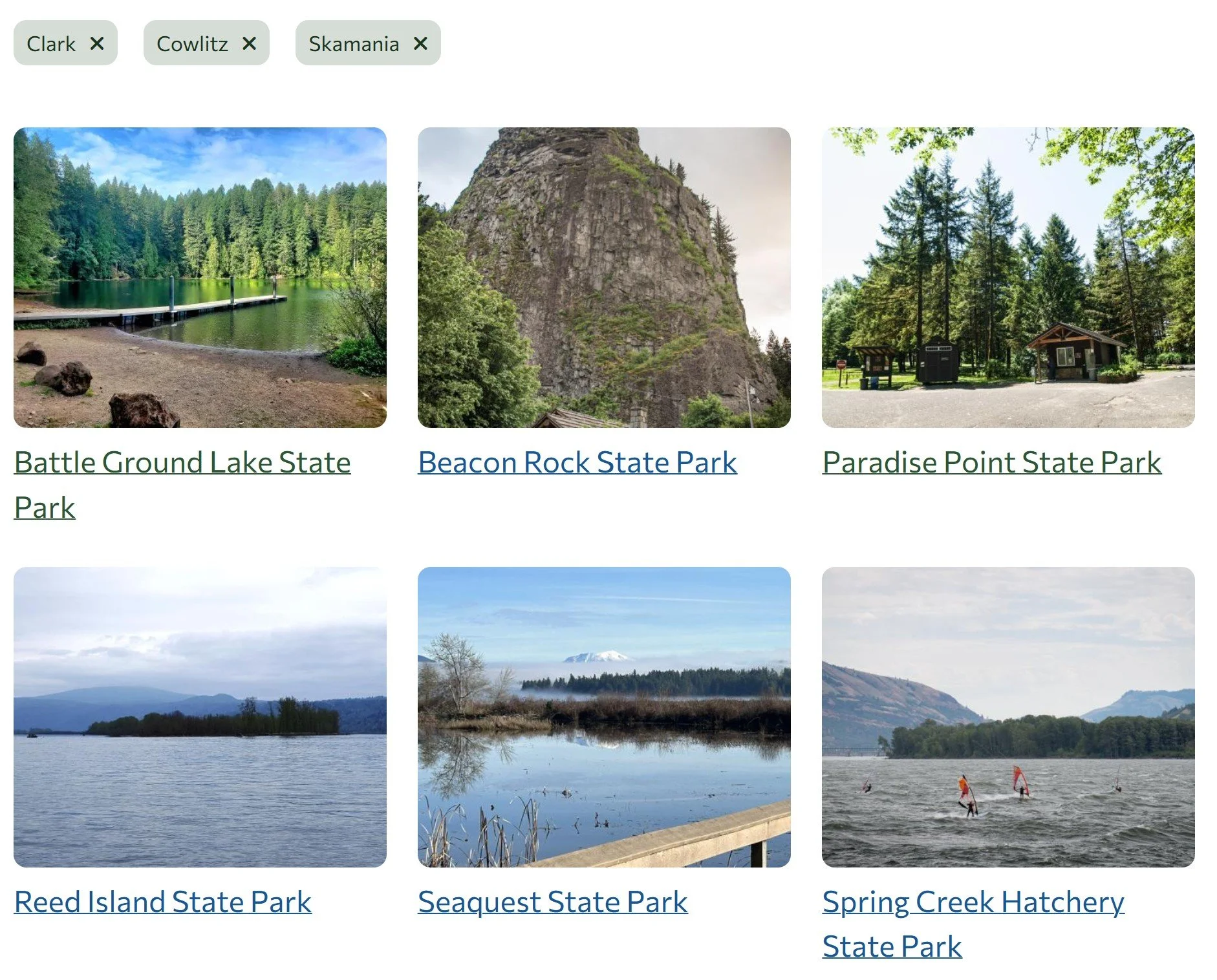
Including Paradise Point, Beacon Rock & Battle Ground Lake and other southwest WA destinations. Visit each site for a list of directions, parking, restrooms, trails and other features and accommodations. Use the web page https://parks.wa.gov/find-parks to search for site by your desired amenities.
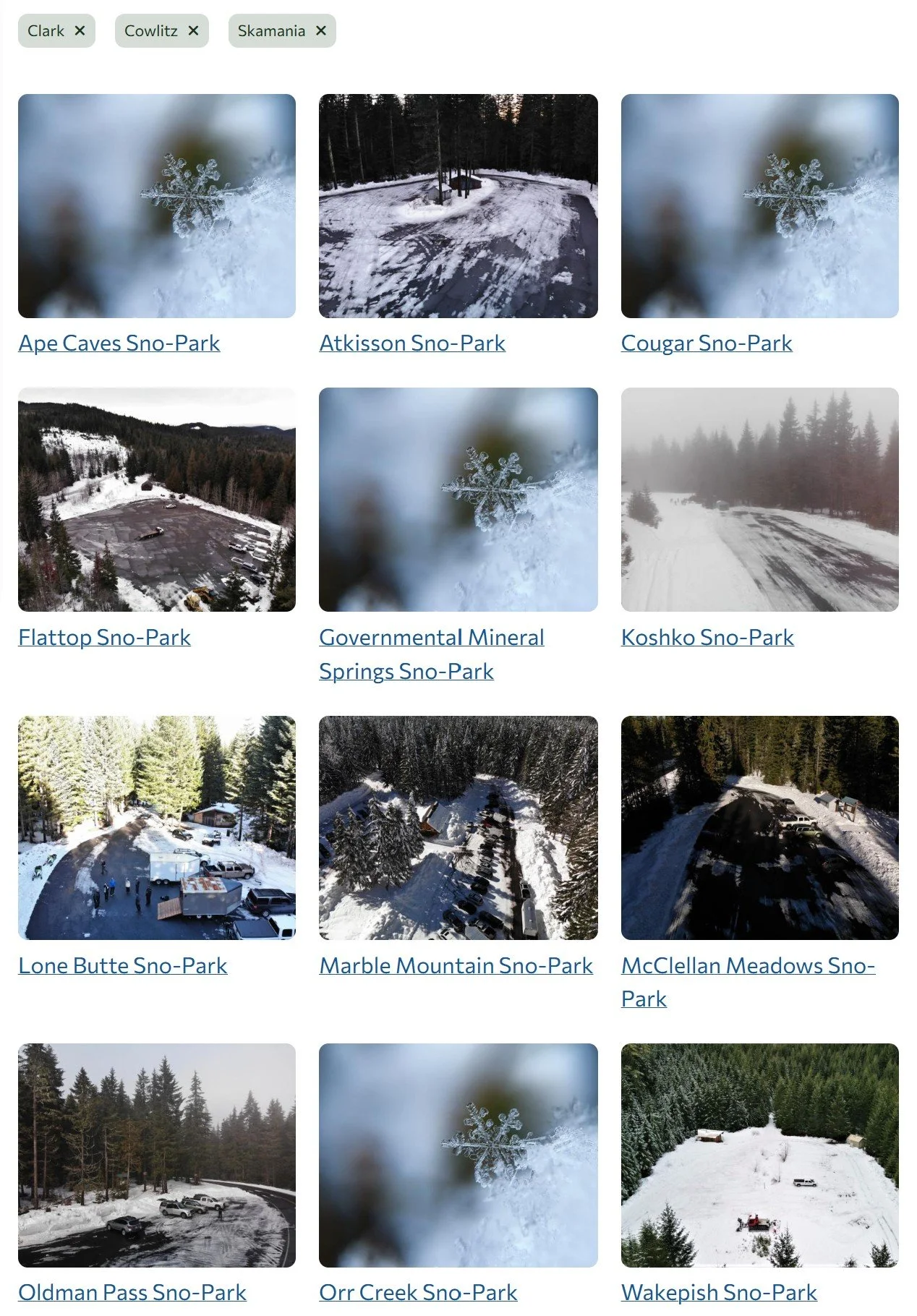
Washington State Parks sno-parks for your snowy adventures this winter
Sno-parks offer parking, restrooms and, in some locations, warming huts. These locations are great starting places for your outdoor adventures such as sledding, cross-country skiing, snowshoeing, snowmobiling and horse back riding.
Use this interactive map for more details about the types of trails, grooming and lengths, as well as interactive web cams to give you an idea of area conditions. Interactive tools on the map can show you a trail length and elevation section (how many ups and downs you will traverse). Parking lots can fill up early, so plan accordingly and be prepared for winter conditions, emergency supplies, etc.
Enjoy your visit & Leave It How You Found It …..so everyone can enjoy it. (adapted from WA DNR)
We want people to continue to enjoy our state trust lands and natural areas for generations to come and that means doing our part now to preserve these beautiful landscapes. For your safety and the safety of our plants and wildlife, please follow these guidelines while you're recreating:
Be prepared. Familiarize yourself with the regulations and special considerations of the area you plan to visit. Make sure you're prepared for weather, hazards, and emergencies.
Don't leave the trail. To avoid soil erosion and trampling fragile vegetation, please stay on our established trails and only use established campsites. In areas that allow dispersed backcountry camping, choose a site away from water and trails with minimal impact on vegetation.
Pack it in, pack it out. If you bring it into the forest, be sure you're bringing it out too. Food and garbage that is left behind or improperly disposed of can attract wildlife and create potentially dangerous situations for visitors. Please pack out all food items and garbage. NEVER feed wildlife.
Don't take things from the forest. Specific agencies may allow harvesting at some of its sites, with permits (check with agency). Outside of those activities, help preserve the land. Don't build structures or disturb the flora (plants) and fauna (wildlife). Avoid introducing or transporting invasive species by washing vehicles prior to entering area and brining clean shoes and gear.
Be careful with campfires. Make sure you check fire restrictions in the area before you head out. Campfires are may be permitted -managed lands only in approved fire pits and are only allowed only when a campfire burn restriction is not in place. Keep a shovel and buckets of water close by and never walk away from a smoldering campfire. Put the fire out cold before leaving - if it's too hot to touch, it's too hot to leave.
Be safe around wildlife. Observe our wildlife from a distance and never try to touch or feed them. Secure food items and trash. Habituating wildlife to human food and garbage alters their natural behaviors and creates unsafe situations for the animals and our visitors.
Be respectful of others on the trail. Make sure everyone has an opportunity to enjoy nature. Keep your dogs on a leash or under strict voice command if you're mountain biking or horseback riding. Respectfully allow others to pass without damaging plants or soil off of the trail.
Photo sources: From agency web page unless noted otherwise