
SEEDS FOR EDUCATION
Connecting with nature can be as simple as planting a seed.
The Partners of the LCNN are excited to support educators and students with seeds to grow learning. LCNN started the Seeds for Education program to get seeds into schools to promote hands-on learning and teach children to tend the earth. Seed packets will vary from season to season, including native pollinator beneficial plants, cut flowers, vegetables and sensory plants.
Look for LCNN at an upcoming event or reach out and let us know how we can help. We look forward to seeing what grows on your school campus.
Cut Flowers
These flowers are easy to grow all summer long and super easy to harvest seeds every autumn for the next season. Plant once and have seeds for years to come. Most of these require full sunny and regular watering (e.g. set an irrigation timer).
P = Perennials (comes back every year) A = Annuals (plant in spring, harvest seeds in fall)

DAISY (P)

BLACK-EYED SUSANS (P)

ZINNIA (A)
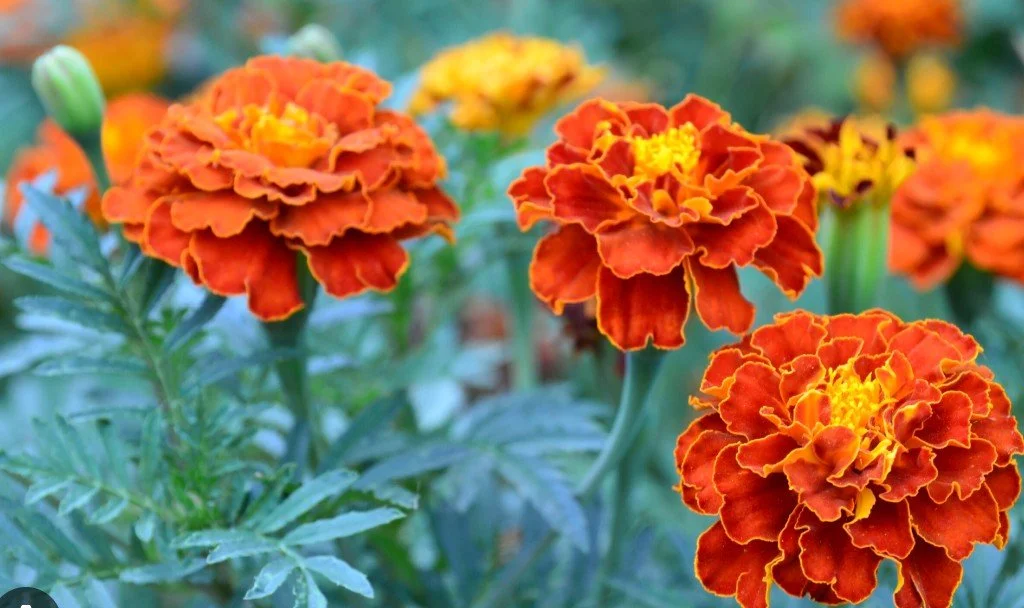
MARIGOLD (A)

SUNFLOWER - MAMMOTH (A)
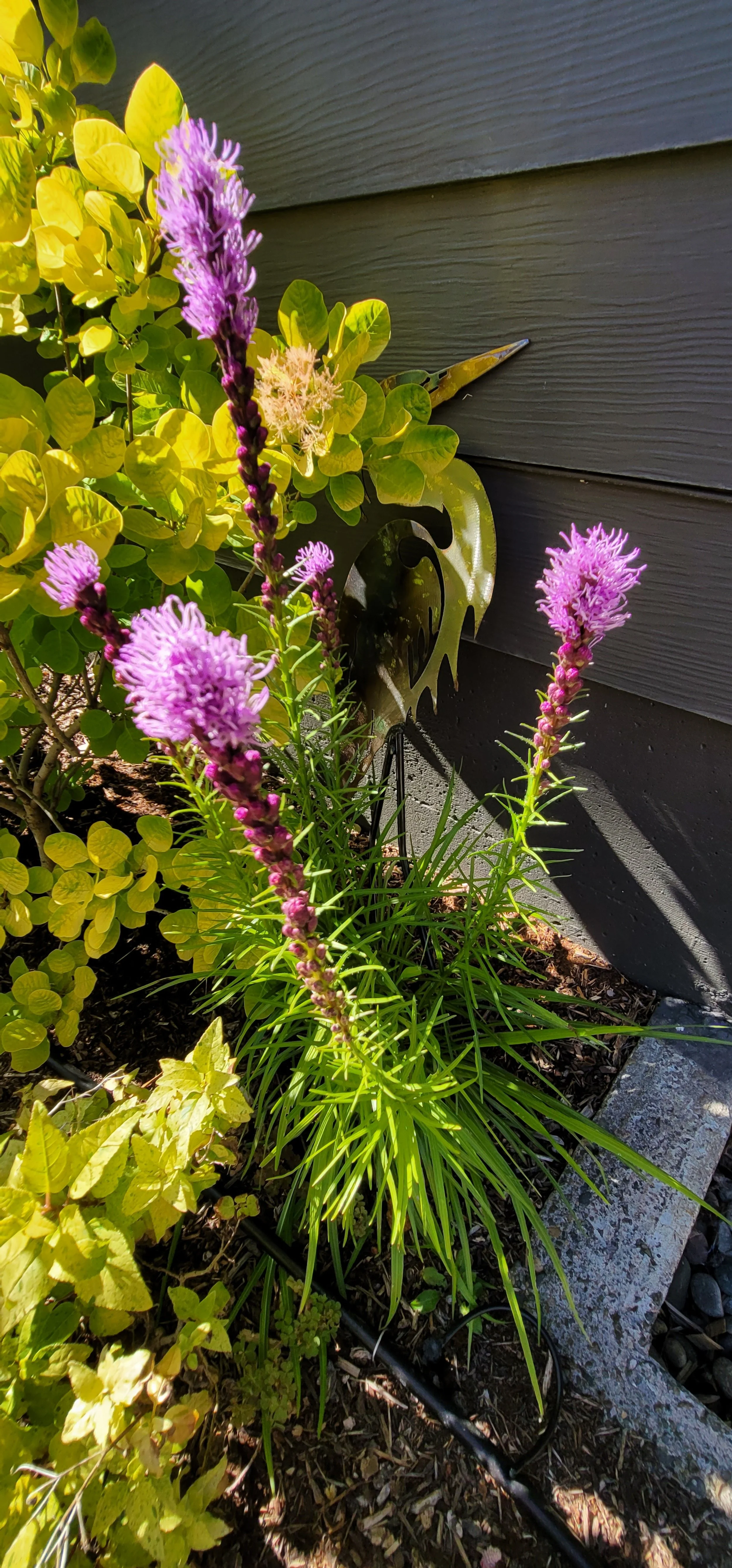
GAYFEATHER (P)
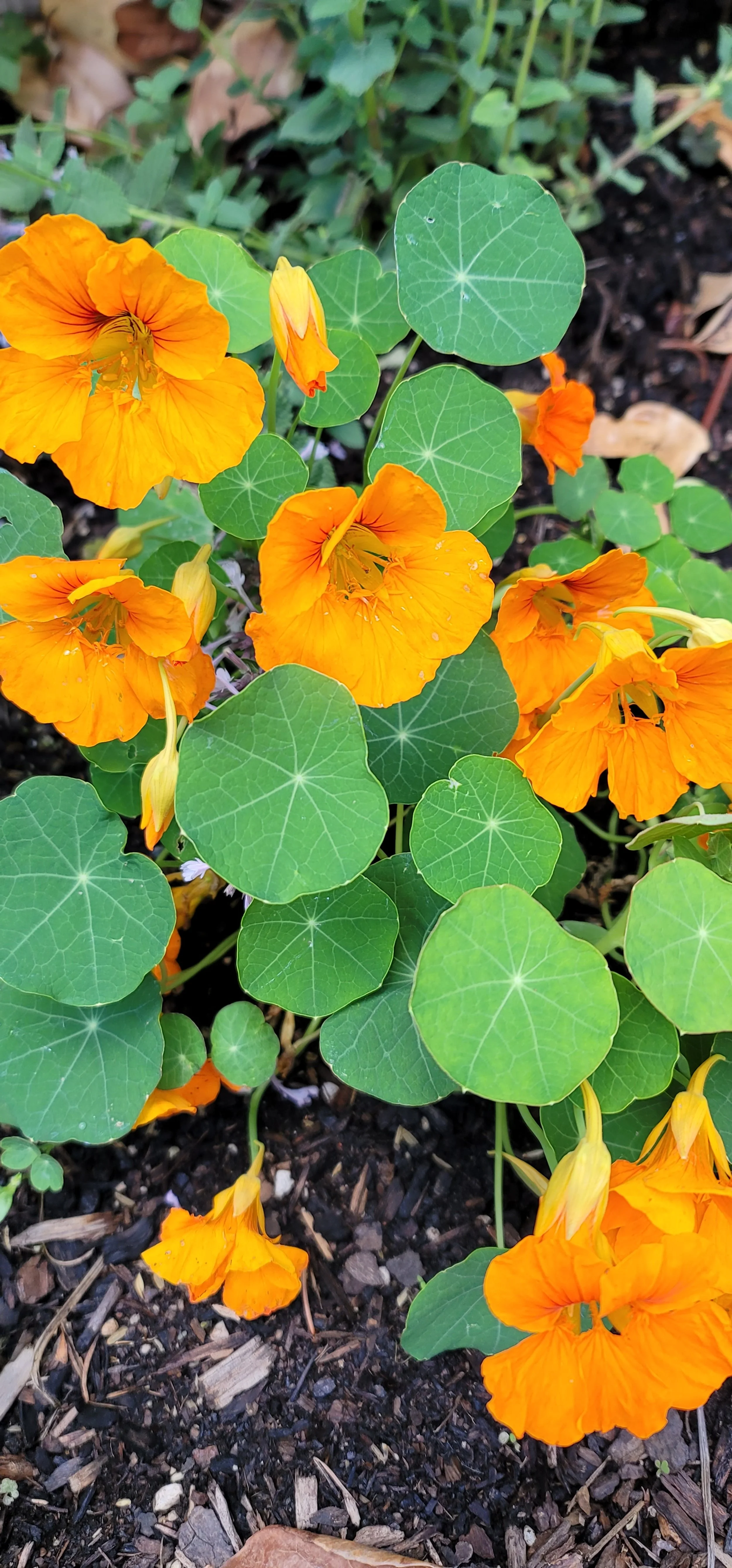
NASTURTIUM (A)
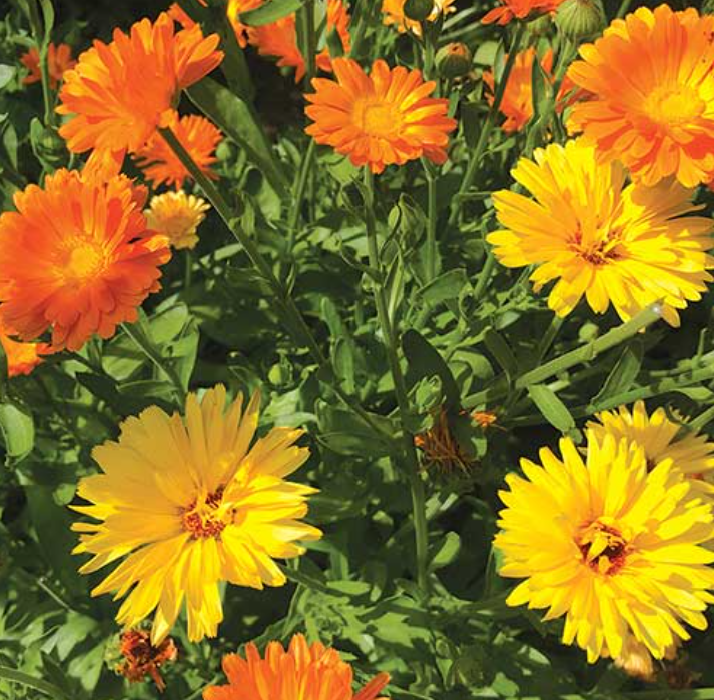
CALENDULA (A)
Native Plants
Native Washington plants provide benefits for local wildlife and ecosystems. Many of these plants support a wide variety of bees, butterflies, moths and other insects. Seeds and nectar support regional and migrating birds. Using native plants means they are well adapted to our changing climate, tend to be drought tolerant and very easy to care for.
Please note that MOST of the native plants below are also very successful at reproducing (either by seed and/or runners) so make sure you have space to sow and maintain a desired boundary (like an edge of a sidewalk). These are also very easy to harvest and share seeds, too.
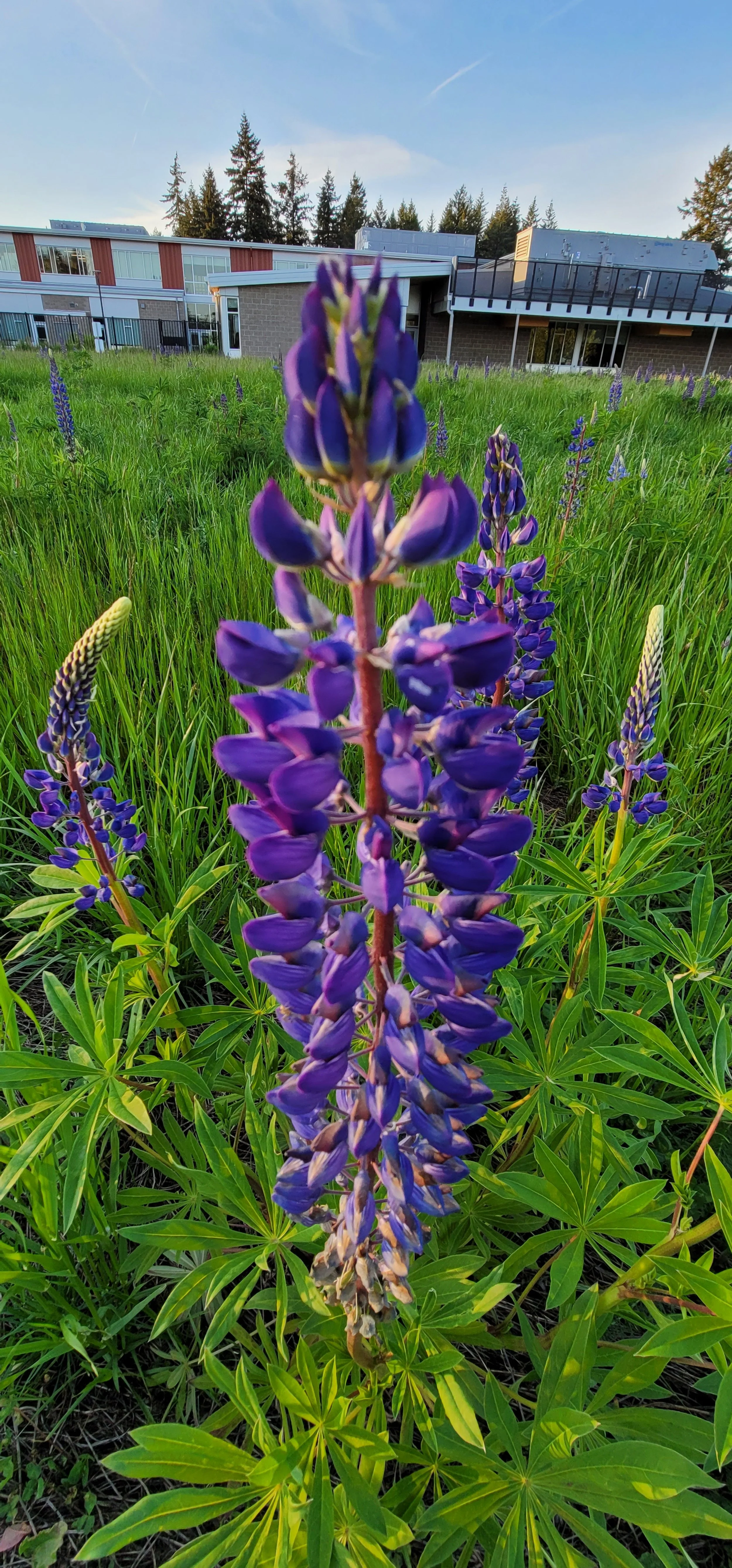
BIG LEAF LUPINE (P) - lots of seeds that drop
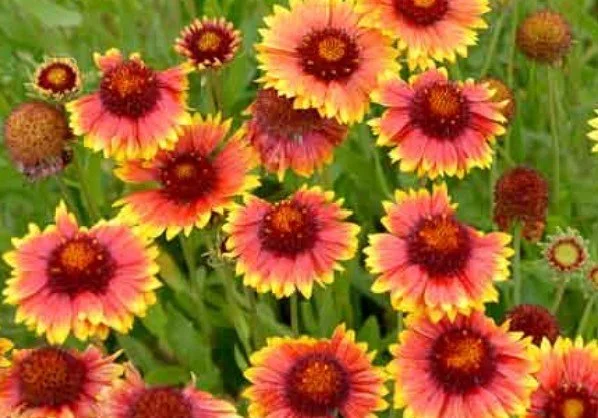
BLANKET FLOWER (P) - small, pokey seed balls that snag on animal fur (or human socks) for dispersal

PEARLY EVERLASTING (P) - lots of tiny seeds that are very lightweight so are easy to blow in the wind; also has some runners to spread by root
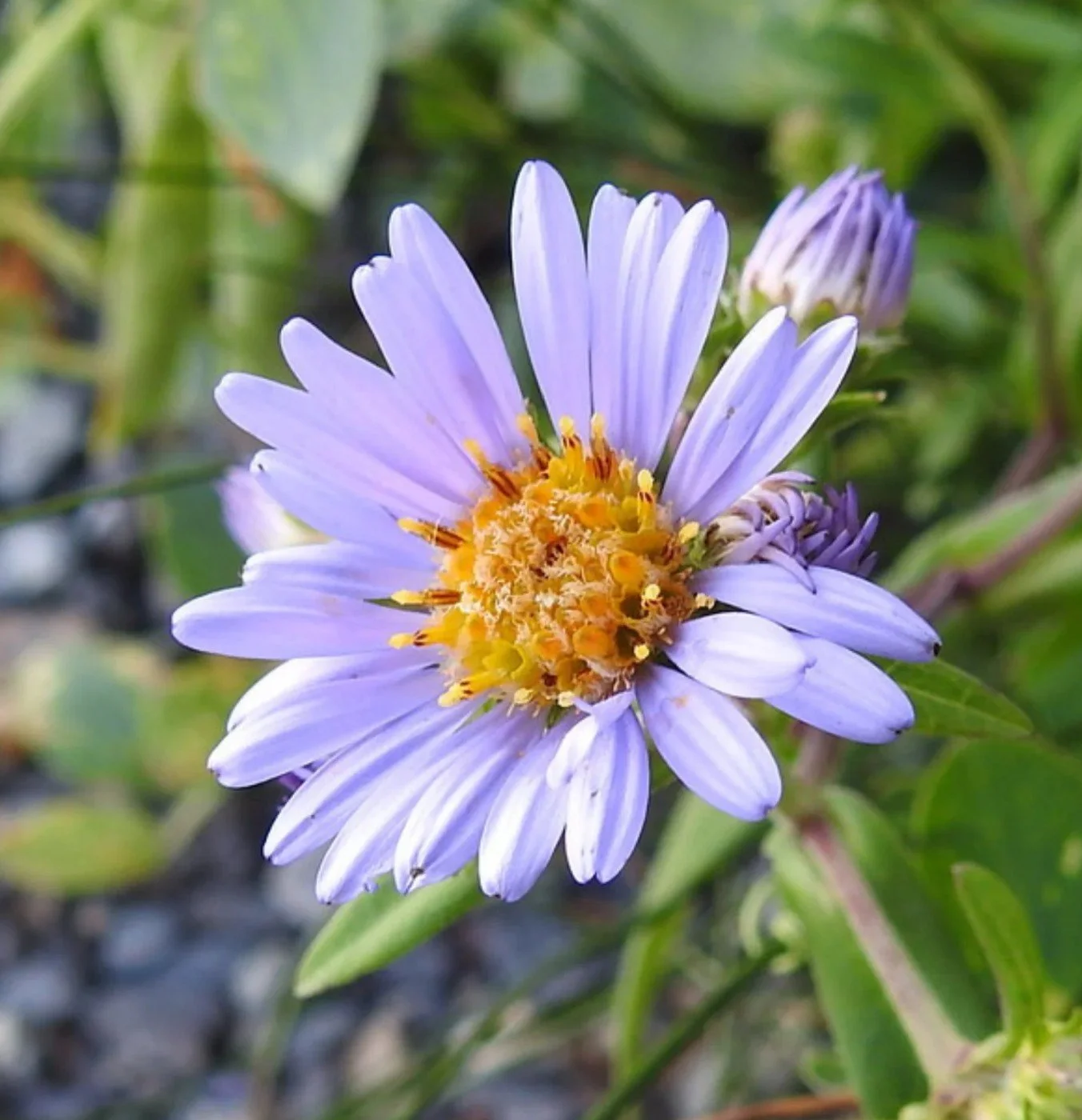
DOUGLAS ASTER (P) - these can be 3-4' tall and have aggressive roots that spread and seeds attached to "little puffs" that ride the wind
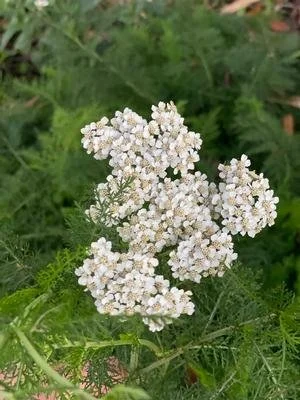
YARROW (P) - one of our favorites, lots of tiny seeds that blow in the wind, can handle being mowed and coming back

SWAMP MILKWEED (P) - Seed pods are ready late summer/early fall and once they once the medium sized seeds are great at blowing long distances on their "fluff ball"

CALIFORNIA POPPY (A) - Physics lessons in a plant, these seed pods are tough to harvest only because you have to time it just right,...when the long skinny pods dry enough, a vertical split pops open and seeds tiny round black seeds flying up to several feet away

PHACELIA (A) - These are easy to disperse once they grab a hold of anything with texture. Kinds of spiky to harvest but an amazing pollinator plant
There is lots of great research for our PNW region that helps us understand what native plants support the most diverse pollinator populations. Here are some of results from Oregon State University.

Sensory Gardens
Using all of our senses is one of the best reasons to use gardens for outdoor learning, health & wellness on a school campus, for both students and staff. Sensory plants cover a wide variety of flowers from the visual appeal of the many flower types, to lots of amazing smells and tactile rich plants. We encourage taste be used in settings where the gardens are managed for healthy food production, like our amazing colleagues at the Lower Columbia School gardens. Here are some great plants to get you started with sensory rich plants
BIG LEAF LUPINE (P) - The waxy leaves are great for experimenting with water on the leaves.
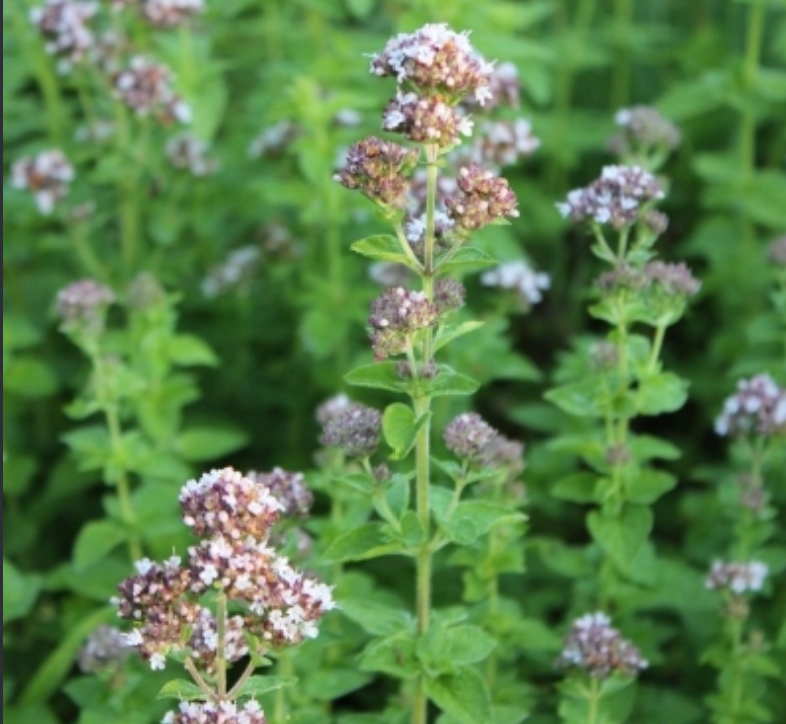
OREGANO (P) - A common herb that grows all year, flowers mid-late summer (when school is out, as it does attract pollinators)
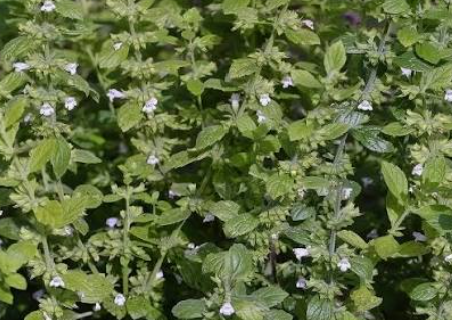
LEMON BALM (A) - 2' Tall herb that has a strong lemon smell, tiny white tubular flowers. Careful, this one self seeds very easily!
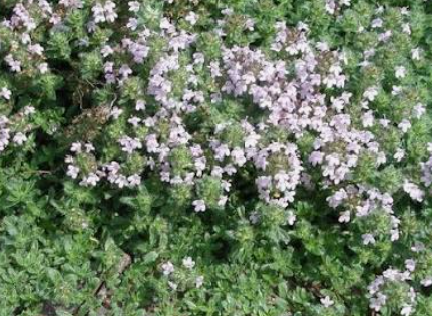
THYME (P) - A low growing hardy herb that has delicate pink flowers and has many varieties, including lemon.
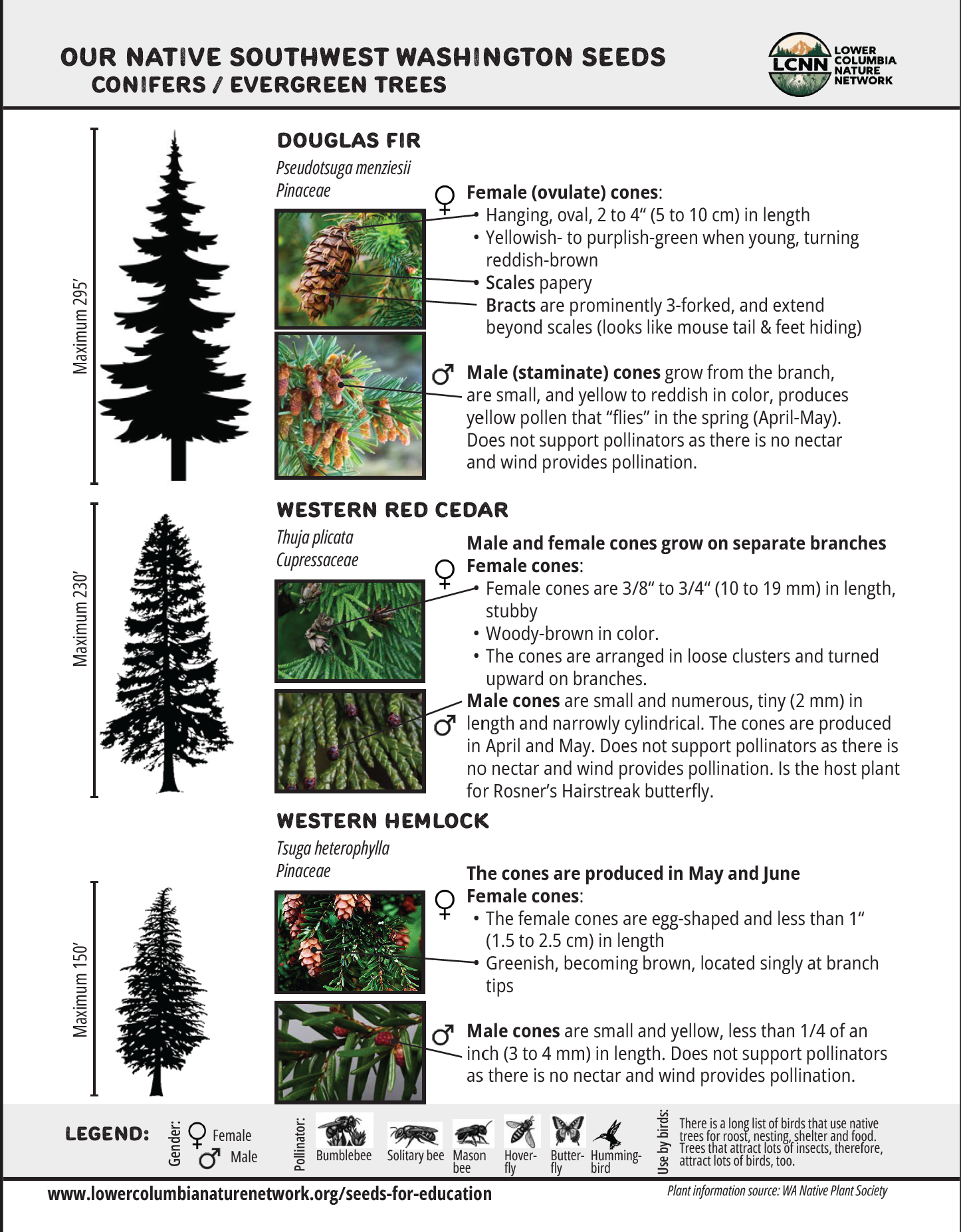
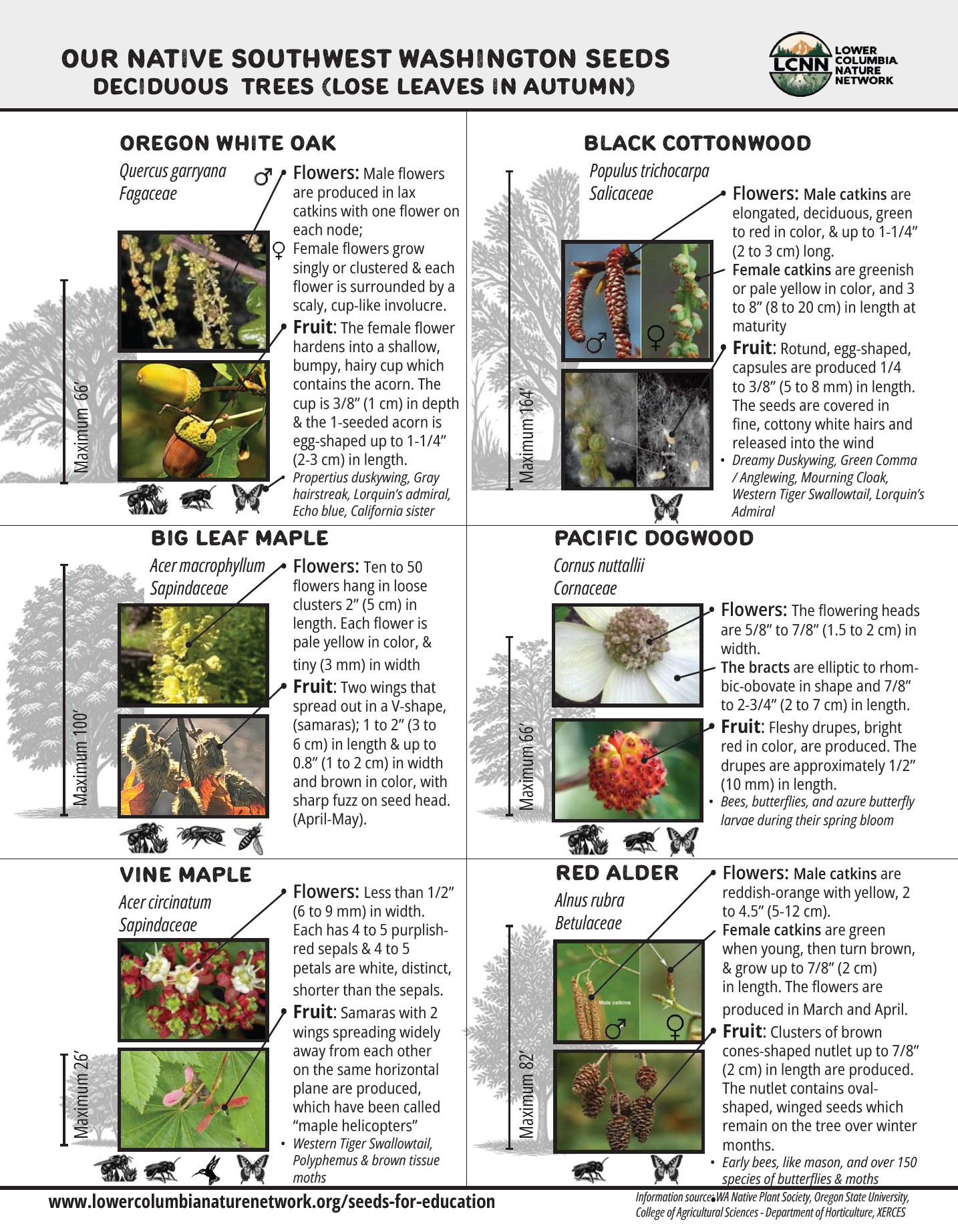
Don’t forget about our native trees
Want to try a fun nature scavenger hunt on your school campus, nearby park or a walk around the neighborhood?
See if you can find these seeds from our native trees! Take a basket or bag to carry some of your finds. Take them back to your outdoor classroom and discover these seeds. How do the seeds disperse? Are these seeds food for any wildlife? What is the same about some of these seeds and what is different? Let the discovery happen by bring #NearbyNature into your classroom!
Download this FREE .pdf file and use with your class: