
What’s Happening

Lo que está sucediendo

Help out, learn, build community and have fun!

¡Ayuda, aprende, construye una comunidad y diviértete!

Southwest Washington has so many opportunities to connect with nature. See the event calendar below for a wide range of opportunities with our regional partners.

Not seeing what you are looking for or want to schedule something special with a group? Contact the partner directly. Some information on this page may be out of date, so connect with the Partner for the most up to date information. Let’s get outside!

El suroeste de Washington ofrece muchísimas oportunidades para conectar con la naturaleza. Consulta el calendario de eventos para conocer la amplia gama de oportunidades con nuestros socios regionales.

¿No encuentra lo que busca o desea programar algo especial con un grupo? Ponte en contacto directamente con el socio. Es posible que parte de la información de esta página no esté actualizada; por ello, contacta con el socio para obtener la información más reciente. ¡Salgamos al aire libre!

  • LCNN is excited to share our Partner’s events, click each event for more detailed information - check with event host for most up to date information (LCNN does not lead these events).

  • NEW! For events that sound super fun but are just outside southwest Washington are listed as ROAD TRIPs.
Filtering by: “Sky Watch”
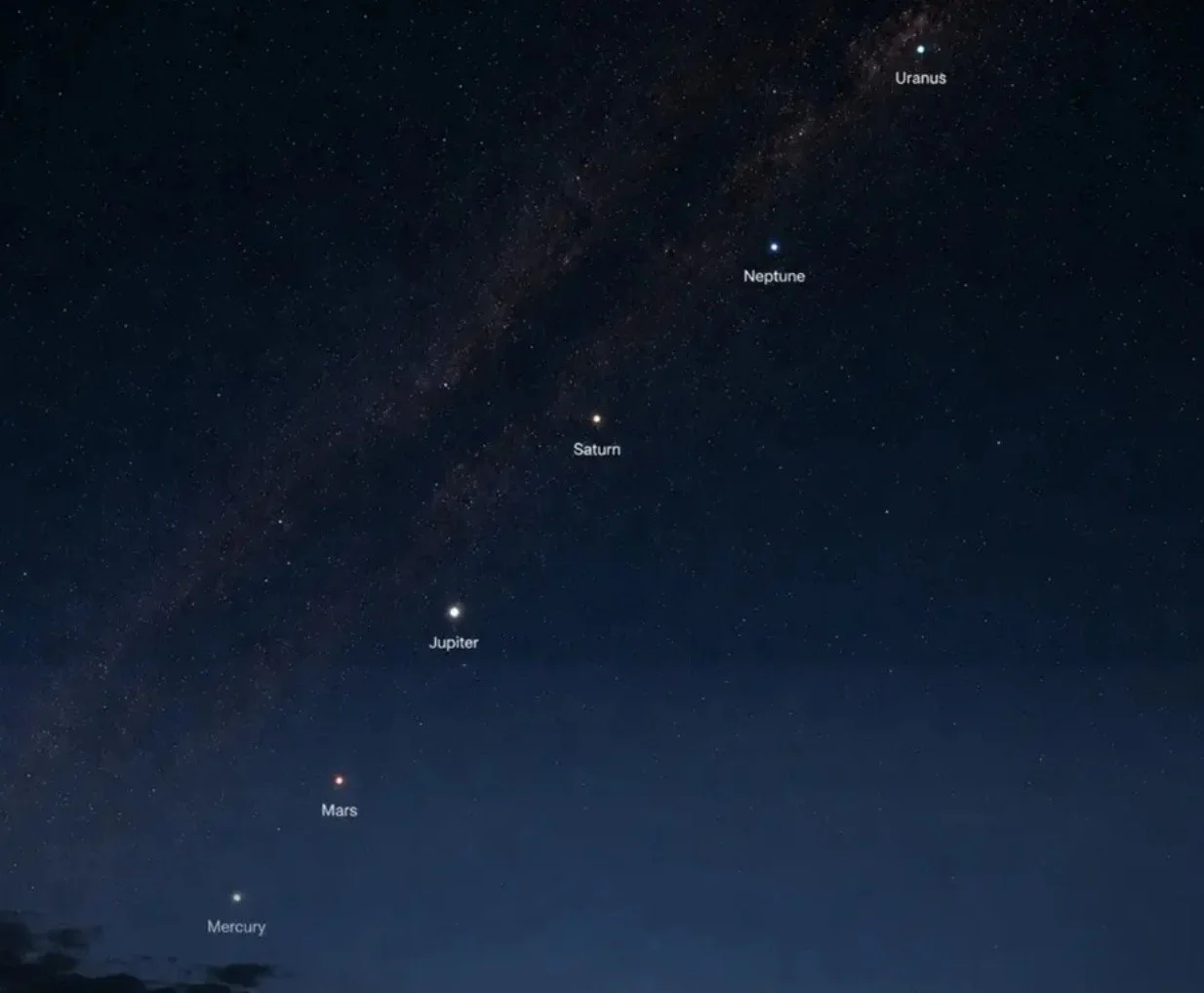
Sky watching: Delta Aquarids meteor shower
Jul
30
to Jul 31

Sky watching: Delta Aquarids meteor shower

The Southern delta Aquariids peak on the night of July 30-21!

Currently active: Active from July 12th to August 23rd, 2026

North of the equator the radiant is located lower in the southern sky and therefore rates are less than seen from further south. These meteors produce good rates for a week centered on the night of maximum. These are usually faint meteors that lack both persistent trains and fireballs. In 2026, the full moon occurs only two days prior to the peak therefore activity will be severely compromised y the bright moonlight .

Best viewing is after midnight looking toward the southern sky. In southwest Washington, head 30–60 minutes away to dark-sky spots like Larch Mountain or Silver Star Mountain to avoid city light pollution.

Optimal viewing for the Delta Aquarids involves several steps:

  • Timing: The radiant (near the constellation Aquarius) is highest in the sky between 2:00 a.m. and 3:00 a.m. local time.

  • Rate: Under perfectly dark skies, you can expect to see 15 to 20 meteors per hour.

  • Moon Phase: A bright moon is active during the 2026 peak, which will unfortunately wash out the fainter meteors. It is recommended to look for the shower in the days leading up to the peak to minimize moonlight interference.

  • Directions: Find a spot shielded from city glow, recline on a lawn chair, and take in the whole sky rather than looking in just one direction.

Information sourced from the American Meteor Society. Learn more about this and other skywatching events at https://www.amsmeteors.org/meteor-showers/meteor-shower-calendar/

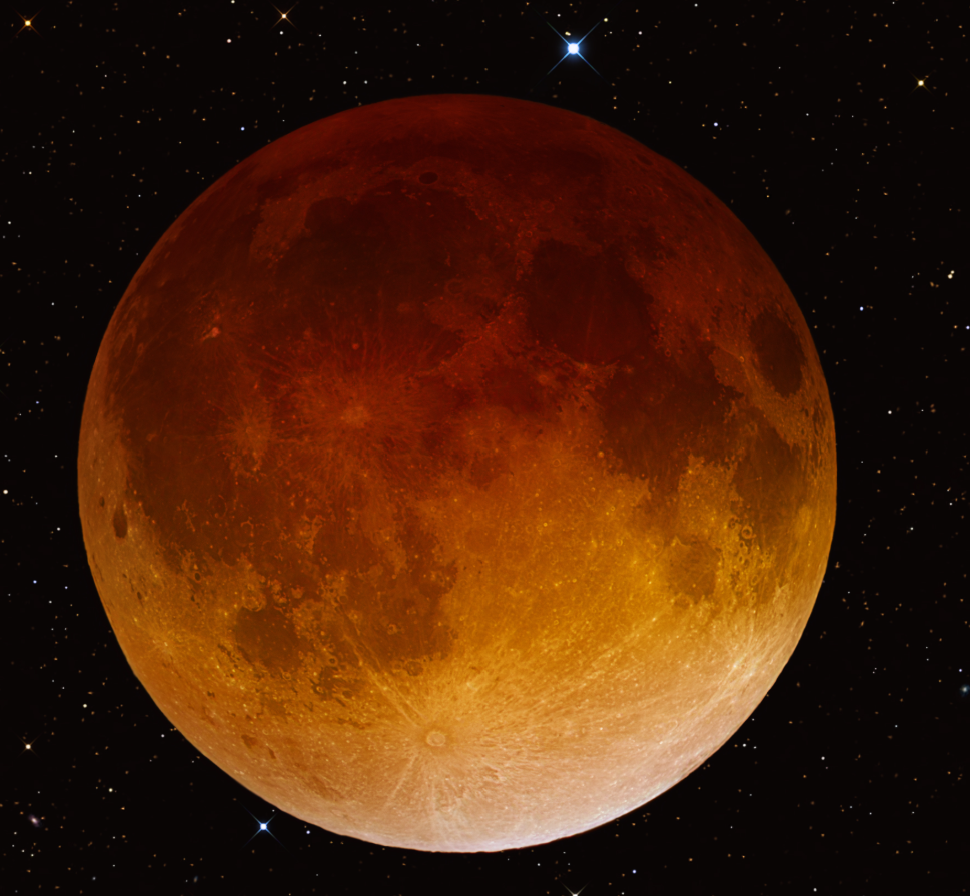
(Photo source: Bill Ingels, NASA via AP)

View Event →
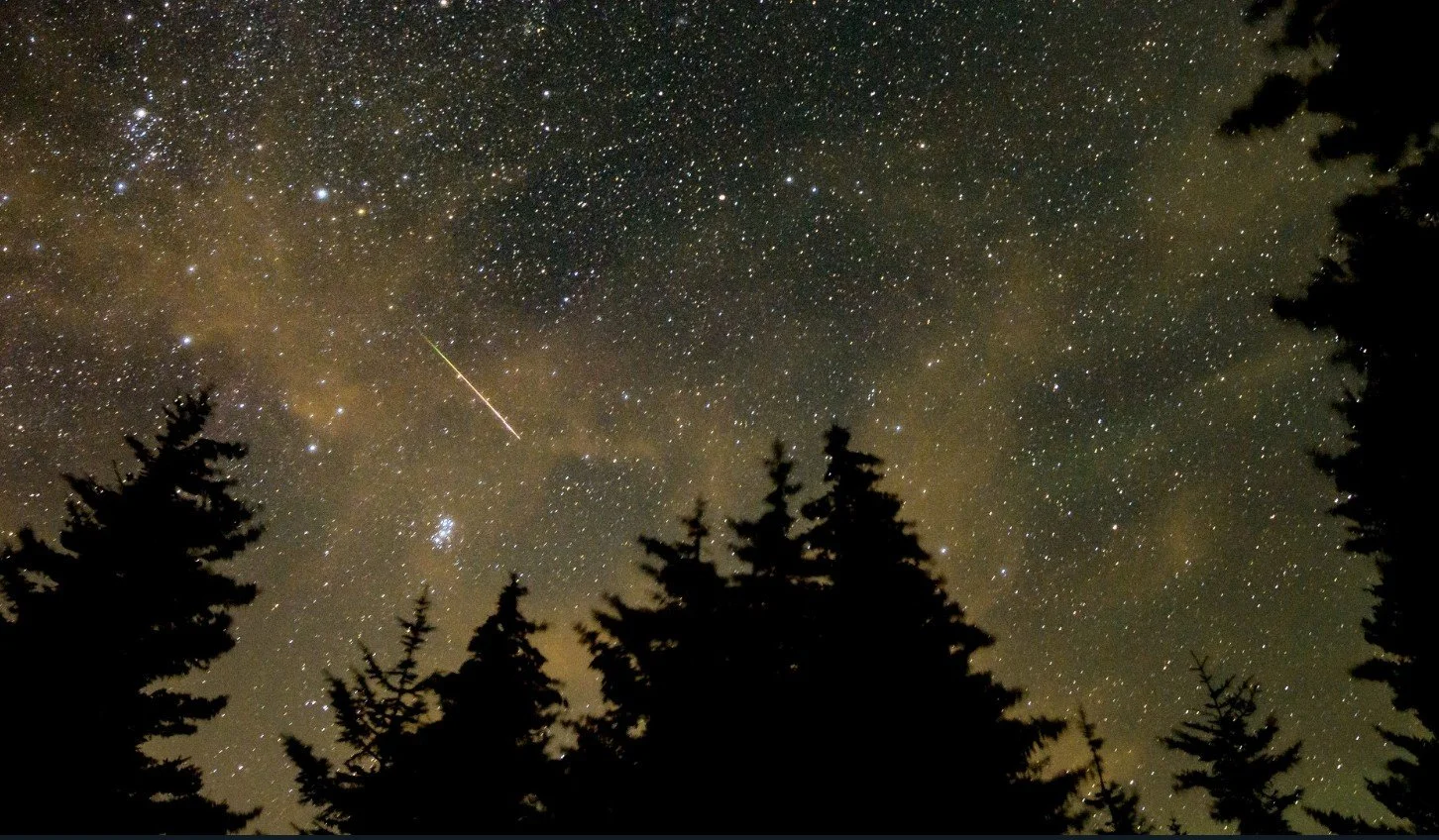
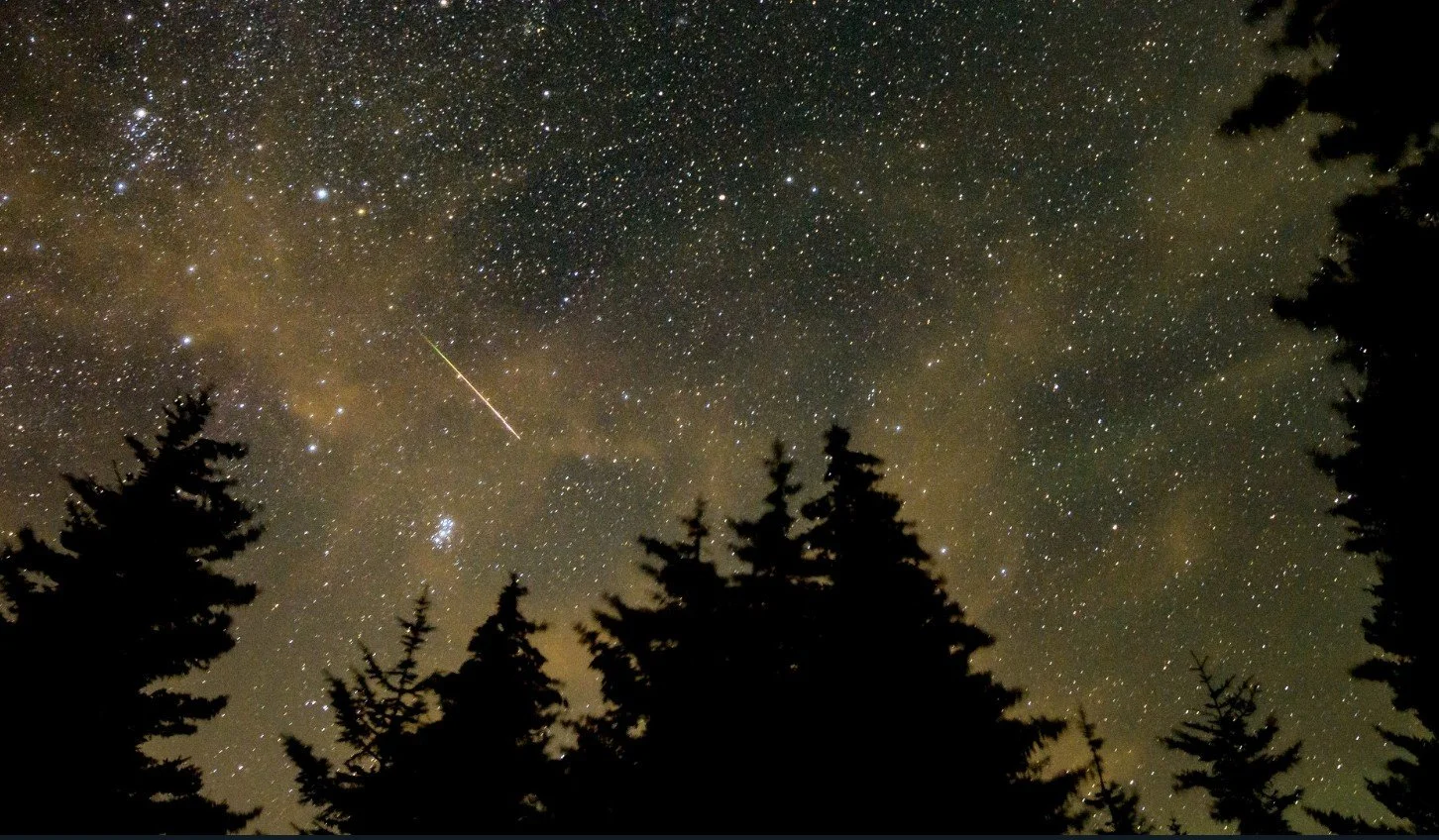
Sky Watch: Perseids meteor shower peak period
Aug
12
to Aug 13

Sky Watch: Perseids meteor shower peak period

The Perseid meteor shower will peak locally around southwest Washington on the night of August 12 into the predawn hours of August 13. Because the peak aligns with a New Moon, viewing conditions will be excellent, allowing you to see up to 50–100 shooting stars per hour.

Currently active: Active from July 17th to August 24th, 2026

The Perseids are the most popular meteor shower as they peak on warm August nights as seen from the northern hemisphere. The Perseids are active from July 17 to August 24. They reach a strong maximum on August 12 or 13, depending on the year. Normal hourly rates seen from rural locations range from 30-50 shower members per hour at maximum. The Perseids are particles released from comet 109P/Swift-Tuttle during its numerous returns to the inner solar system. They are called Perseids since the radiant (the area of the sky where the meteors seem to originate) is located near the prominent constellation of Perseus the hero. When at maximum activity. In 2026, the moon is new on August 12 so conditions are optimum for viewing this shower.

This information is sourced from the American Meteor Society. Learn more about this and other meteor showers at https://www.amsmeteors.org/meteor-showers/meteor-shower-calendar

(Photo source: Bill Ingels, NASA via AP)

View Event →

Put on your adventure hat and head outdoors